
What News Today Explains What’s Happening Now
Imagine you’re sipping your morning coffee, wondering what’s happening in the world. You glance at your phone, but endless news feeds feel overwhelming. This post cuts through the noise. We’ll help you quickly grasp the most important updates so you can stay informed without getting lost. You’ll learn how to find reliable information and what to look for, making your daily news consumption efficient and effective. Get ready to be a more informed reader.
Key Takeaways
- You will learn to identify reliable sources for current events.
- This post explains how to quickly assess the importance of news stories.
- Readers will discover methods to avoid misinformation and fake news.
- The content provides tips on staying updated without feeling overwhelmed.
- You’ll gain insights into different types of news and their impact.
- Learn how to spot sensationalism and bias in news reporting.
Understanding What News Today Means
What news today really boils down to is understanding the most current and significant events happening around us. It’s about more than just headlines; it’s about grasping the context, the potential impact, and the different perspectives surrounding these events.
In a fast-paced world, staying informed can feel like a constant race. This section will help you define what truly constitutes important news for you and how to effectively track it. We’ll explore the essence of timely information.
Defining “News Today”
“News today” refers to events that have occurred or developed very recently, typically within the last 24 to 48 hours. It encompasses breaking stories, ongoing developments, and updates on situations that are currently of public interest. The recency is key, distinguishing it from historical accounts or background information.
The significance of “news today” lies in its immediate relevance. These are the events shaping our present and likely influencing our future. Whether it’s a political development, a scientific breakthrough, or a social trend, the information impacts how we understand the world right now.
The Importance of Staying Informed
Staying informed about current events allows individuals to make better decisions in their personal and professional lives. Knowing what’s happening can influence everything from financial planning to civic engagement. It empowers people to participate meaningfully in discussions and to understand the forces shaping their communities.
Furthermore, staying updated helps foster a sense of connection and awareness. It prevents individuals from feeling isolated from societal changes. When you know what news today is making headlines, you can better understand global issues and their ripple effects.
Where to Find Reliable News Today
Finding trustworthy sources for what news today is crucial. In an era flooded with information, differentiating between credible journalism and misinformation is more important than ever. This section will guide you to reputable news outlets and highlight characteristics to look for.
We will explore various types of news providers and offer practical advice on how to evaluate their content. By focusing on established practices and journalistic standards, you can build a reliable news diet.
Credible News Organizations
Reputable news organizations typically adhere to strict ethical guidelines and fact-checking processes. They aim for objectivity, report on multiple sides of an issue, and clearly distinguish between news reporting and opinion pieces.
Examples of such organizations often include major national and international newspapers, broadcast news networks, and established news agencies. These outlets generally have a long history of journalistic integrity and are committed to accuracy.
- Look for organizations with clear editorial standards. These standards outline how news is gathered, verified, and presented. Reputable sources will often make these guidelines accessible to the public, demonstrating transparency in their operations. This commitment to openness helps build reader trust.
- Check for corrections and retractions. All news outlets make mistakes sometimes. What distinguishes credible sources is their willingness to promptly correct errors and issue retractions when necessary. This shows a dedication to accuracy and accountability, even when it means admitting a mistake.
- Verify the presence of multiple sources. Good journalism doesn’t rely on a single source. Credible news reports will often cite several individuals or documents to corroborate their findings. This practice ensures that the information presented is well-supported and not based on isolated or potentially biased accounts.
Identifying Bias in Reporting
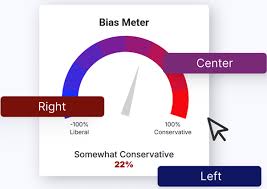
Bias in news reporting occurs when a news outlet or journalist presents information in a way that favors a particular viewpoint or agenda. This can manifest through the selection of stories, the language used, or the sources quoted. Recognizing bias is a key skill for consuming news critically.
Different news organizations may have different inherent biases, whether political, economic, or cultural. Understanding these potential leanings helps you interpret the information presented more objectively.
- Consider the source’s funding and ownership. Who owns a news outlet and how it is funded can influence its reporting. For instance, organizations with strong ties to political parties or corporations might be more likely to present news in a way that aligns with their sponsors’ interests. Researching the ownership structure can provide valuable context.
- Analyze the language and framing of stories. Pay attention to the adjectives and adverbs used. Are they neutral, or do they carry emotional weight? How is a story framed? For example, a protest could be described as a “riot” or a “demonstration,” each carrying different connotations. The choice of words significantly shapes reader perception.
- Compare reporting across different outlets. The most effective way to spot bias is to read about the same event from multiple sources. When different news organizations report on the same story, you can often identify discrepancies in emphasis, information included, and overall tone. This comparative approach helps reveal the unseen angles.
Key Areas of News Today
News today covers a vast spectrum of topics that affect our lives daily. Understanding these different categories helps us prioritize what information is most relevant to us and how it might impact our world.
This section breaks down the major areas where significant events typically unfold. By familiarizing yourself with these domains, you can better anticipate and track developments that matter.
Politics and Government
Political news involves the activities of governments, political parties, and elected officials. This can range from policy debates and legislative changes to elections and international relations.
Government actions and political decisions have direct consequences on society, affecting laws, economies, and public services. Staying updated on political developments is essential for informed citizenship and understanding the direction of a country or region.
- Legislative updates. This includes new laws being passed, proposed bills, and debates within legislative bodies. These can affect taxes, regulations, and social programs, influencing daily life and business operations.
- Elections and campaigns. Information about upcoming elections, candidate platforms, and polling data helps voters make informed choices and understand the political landscape. This is critical for democratic participation.
- International relations. News about how countries interact, including treaties, trade agreements, and diplomatic tensions, shapes global stability and economic conditions. Understanding these relationships is key to grasping world events.
Business and Economy
Economic news focuses on financial markets, corporate performance, employment trends, and government economic policies. This area is vital for understanding financial well-being and market stability.
Developments in the business and economic sectors can significantly influence personal finances, job security, and the overall health of society. Staying informed allows individuals and businesses to adapt to changing economic conditions.
- Stock market performance. Tracking the rise and fall of stock markets provides insights into investor confidence and the general economic outlook. Significant market movements can signal broader economic trends.
- Inflation and interest rates. Information on inflation rates and central bank decisions regarding interest rates directly impacts the cost of living, borrowing, and savings. These are fundamental indicators of economic health.
- Company earnings and mergers. Reports on how companies are performing financially, including their profits, losses, and any major corporate actions like mergers or acquisitions, can affect industries and employment.
Science and Technology
This category covers new scientific discoveries, technological advancements, and innovations. It’s about the progress of human knowledge and its application.
Developments in science and technology often lead to significant societal changes, from new medical treatments and communication methods to environmental solutions. Keeping up with this area offers a glimpse into the future.
- Breakthroughs in medicine. News about new treatments, vaccines, or disease research can offer hope and improve health outcomes for many people. This area is constantly evolving and highly impactful.
- Innovations in AI and computing. Advances in artificial intelligence, software, and hardware are transforming industries and daily life, from how we work to how we interact with technology. These developments are rapid and far-reaching.
- Space exploration and environmental science. Discoveries in space and advancements in understanding climate change and sustainable solutions are crucial for our planet’s future. These stories often inspire and inform critical global efforts.
Social Issues and Culture
This encompasses trends, movements, and discussions related to society, human behavior, arts, and lifestyles. It reflects the values, challenges, and creative expressions of communities.
News in this domain helps us understand societal shifts, cultural phenomena, and the human experience. It provides context for social dynamics and artistic contributions that shape our collective identity.
- Social justice movements. Reports on ongoing efforts to address inequality and promote fairness in society highlight important societal dialogues and actions. These movements often drive significant change.
- Cultural trends and artistic achievements. Updates on popular culture, artistic exhibitions, film releases, and literary works offer insights into contemporary society and its creative output. This area reflects societal moods and innovations.
- Demographic shifts and public opinion. Information about changes in population makeup, evolving social norms, and public sentiment on various issues helps paint a picture of societal evolution and its direction.
How to Evaluate News Stories
With the sheer volume of information available, knowing how to evaluate a news story is a critical skill. Not all reports are created equal, and discerning reliable information from less trustworthy content ensures you are well-informed.
This section will equip you with practical methods for assessing the credibility and accuracy of news articles and reports you encounter. Developing this critical eye protects you from misinformation.
Fact-Checking and Verification
Fact-checking involves verifying the accuracy of claims made in a news report. This process is fundamental to trustworthy journalism. Reputable news organizations have internal fact-checkers, but readers can also employ these techniques.
Verification means confirming information from multiple independent sources. If a single story makes a bold claim, and no other credible outlets are reporting it, it warrants skepticism. This process adds layers of assurance.
- Cross-reference claims with multiple sources. If a report states a specific statistic or fact, look for that same information from other established news outlets. If the details align across several reputable sources, it increases the likelihood of accuracy. This is a cornerstone of good reporting.
- Look for primary sources or direct evidence. Whenever possible, try to trace information back to its original source, such as a scientific study, official government document, or a direct quote from a participant. This avoids the distortion that can occur through multiple retellings.
- Utilize fact-checking websites. Several independent organizations are dedicated to fact-checking news and public claims. Websites like Snopes, PolitiFact, and FactCheck.org can be valuable resources for verifying specific assertions.
Recognizing Sensationalism and Clickbait
Sensationalism involves using exaggerated language, shocking images, or emotionally charged appeals to attract attention and generate excitement. Clickbait headlines are designed solely to entice users to click a link, often with misleading or incomplete information.
These tactics prioritize engagement over accuracy and can distort the public’s perception of events. Recognizing them helps you approach such content with a critical mindset.
- Analyze headlines for exaggeration. Headlines that use words like “shocking,” “unbelievable,” or “you won’t believe what happened next” are often indicators of sensationalism. They aim to provoke an emotional reaction rather than inform objectively. True news usually presents information more soberly.
- Be wary of emotionally manipulative content. Stories that rely heavily on appeals to fear, anger, or outrage, without providing balanced context or factual evidence, might be sensationalized. The goal is to bypass critical thinking and evoke a strong emotional response.
- Check the content beyond the headline. Clickbait often promises much in the headline but delivers little substance in the article. If the article fails to deliver on the headline’s promise, or if it’s filled with ads and irrelevant content, it’s likely clickbait.
Staying Updated Without Information Overload
In today’s digital age, it’s easy to feel overwhelmed by the constant stream of news. The goal is to stay informed without succumbing to stress or anxiety. This requires a strategic approach to consuming information.
This section offers practical strategies for managing your news intake effectively, ensuring you get the information you need without sacrificing your peace of mind. It’s about smart consumption.
Curating Your News Sources
Choosing a select few reliable news sources that align with your interests and values can streamline your news consumption. Instead of trying to follow everything, focus on quality over quantity.
This curated approach ensures you receive consistent, credible updates without being bombarded by excessive or irrelevant information. It’s about building a reliable filter.
- Select a diverse range of reputable outlets. Don’t rely on just one source. Choose a few well-regarded organizations that may have different perspectives but maintain journalistic integrity. This provides a more balanced view of events.
- Use news aggregators wisely. While aggregators can be useful, ensure they are configured to pull from your trusted sources. Some aggregators can also amplify less reliable content, so be mindful of their algorithms.
- Unsubscribe from constant alerts. Constant notifications from news apps can be disruptive and anxiety-inducing. Turn off non-essential alerts and choose specific times to check for updates instead.
Setting News Consumption Boundaries
Establishing clear boundaries around when and how you consume news is essential for mental well-being. This involves setting limits on time spent engaging with news content.
These boundaries help prevent news from dominating your thoughts or intruding on personal time. It’s about regaining control over your information diet.
- Schedule specific times for news. Instead of checking the news sporadically throughout the day, designate specific times, like morning and evening, for catching up. This helps compartmentalize news consumption.
- Avoid consuming news before bed. Reading or watching news close to bedtime can interfere with sleep due to its potentially stimulating or upsetting nature. Opt for lighter content instead.
- Take news breaks. It’s perfectly healthy to step away from the news for a day or even longer. If you feel overwhelmed, a break can help reset your perspective and reduce stress.
Common Myths Debunked
Myth 1: All news websites are equally trustworthy
This is a widespread misconception. In reality, news websites vary greatly in their commitment to accuracy, journalistic standards, and fact-checking processes. Some outlets prioritize sensationalism or opinion over verifiable facts, while others maintain rigorous editorial oversight.
It is vital to research and understand the reputation of each source.
Myth 2: Breaking news on social media is always accurate
Social media platforms are often the first place where breaking news appears, but they are also fertile ground for misinformation. Anyone can post information, and false stories can spread rapidly before being fact-checked or corrected. It is crucial to verify information seen on social media with established news organizations before accepting it as truth.
Myth 3: Opinion pieces and news reports are the same
This is a significant misunderstanding. News reports are intended to present factual information objectively. Opinion pieces, on the other hand, are subjective and express the writer’s personal views or analysis.
Reputable news outlets clearly label their opinion sections to differentiate them from news reporting, but not all do, leading to confusion.
Myth 4: If a news story is widely shared, it must be true
Popularity does not equate to accuracy. False or misleading information can become viral if it is emotionally engaging or aligns with existing beliefs, regardless of its factual basis. The number of shares a story receives is not a reliable indicator of its truthfulness.
Frequently Asked Questions
Question: How often should I check for news today?
Answer: It is best to check for news today at designated times, perhaps once or twice a day, to avoid feeling overwhelmed. Setting specific times helps manage your intake effectively.
Question: What is the best way to avoid fake news?
Answer: The best way to avoid fake news is to rely on reputable news sources, cross-reference information, and be critical of sensational headlines or emotionally charged content. Fact-checking websites are also helpful tools.
Question: Should I only read news from one source?
Answer: No, it is recommended to read news from a diverse range of reputable sources to get a more balanced and comprehensive understanding of events. Relying on a single source can lead to a biased perspective.
Question: What makes a news source credible?
Answer: A credible news source typically has clear editorial standards, a history of accurate reporting, a process for corrections, and a commitment to presenting multiple perspectives. They distinguish between news and opinion.
Question: How can I stay informed about global events without getting anxious?
Answer: Stay informed by setting boundaries for news consumption, choosing a few trusted sources, and taking breaks from the news when needed. Focusing on factual reporting rather than sensationalism can also help manage anxiety.
Conclusion
Staying informed about what news today is vital for active participation in our world. By understanding how to find reliable information, evaluate its credibility, and manage your news intake, you can remain knowledgeable without feeling overwhelmed. Focus on trusted sources and critical thinking to build a solid understanding of current events.

Related Posts
Identifying Left and Right News Outlets

Seeking Unbiased News Sources In A Complex World