
What’s Happening Today In Global News
Waking up and reaching for your phone, the first thing you might wonder is: what news today in the world is important to know? It’s easy to feel overwhelmed by the sheer volume of information. This post will cut through the noise.
We’ll help you understand the major global events shaping our lives right now. You’ll discover how to get reliable updates and what key stories to follow.
Key Takeaways
- Major global headlines provide context for daily life.
- Understanding different news sources is key to informed opinions.
- Technology influences how we consume and share news.
- Local events often connect to larger international trends.
- Critical thinking helps sort reliable news from misinformation.
- Staying informed empowers better decision-making.
Understanding Today’s Top Headlines
The world is a busy place, and every day brings new developments. Knowing what’s happening globally helps us understand our own communities better. It also shapes our views on important issues.
From major political shifts to groundbreaking scientific discoveries, these events matter. They influence economies, our environment, and our daily lives in subtle and obvious ways.
Political Developments Around the Globe
Political news often dominates the headlines. Elections, policy changes, and international relations can have far-reaching effects. For example, a major trade agreement between two large countries can impact the prices of goods we buy.
Similarly, shifts in government in one nation might affect alliances and global stability.
Major political stories often involve:
- Electoral outcomes: When citizens vote, the results can change a country’s direction significantly. This impacts domestic policies and international engagement. For instance, a change in leadership might lead to new foreign policy stances or trade relationships.
- Legislative changes: New laws or regulations are passed frequently. These can affect businesses, individual rights, and societal norms. Think about new environmental laws that might require industries to adopt cleaner practices.
- International diplomacy: Countries engage in discussions and negotiations to resolve conflicts or cooperate on shared challenges. Summits between leaders, or ongoing talks about specific issues like climate change, are vital for global cooperation.
Economic Trends and Their Impact
Economic news affects everyone, from job markets to the cost of living. Inflation, interest rates, and global trade patterns are all part of this picture. Understanding these trends helps us make better personal financial decisions and grasp the bigger economic climate.
Key economic stories often include:
- Inflation rates: This measures how fast prices for goods and services are rising. High inflation can reduce purchasing power. Central banks often adjust interest rates to try and control it.
- Stock market performance: Major stock indexes reflect the health of businesses and investor confidence. Their movements can signal economic booms or slowdowns.
-
Employment figures: Reports on job creation and unemployment rates show the strength of a country’s labor market.
Low unemployment often indicates a healthy economy.
A recent report showed that global inflation reached 7.9% in the past year. This means that, on average, prices for everyday items increased significantly. This affects household budgets and influences central bank policies worldwide.
Social and Cultural Shifts
Beyond politics and economics, societies are always changing. News about social movements, cultural trends, and human interest stories offer a window into how people live and what they care about. These stories often highlight evolving values and community efforts.
Examples of social and cultural news include:
- Public health initiatives: News about disease prevention, vaccination campaigns, and responses to health crises are vital for community well-being. These efforts often involve international cooperation and public awareness.
-
Advocacy and rights movements: Stories about groups fighting for social justice, equality, or human rights shape public discourse.
These movements can lead to significant societal changes over time.
- Technological adoption: How people use new gadgets, social media platforms, or digital tools constantly changes how we communicate and interact. The rapid spread of new apps or online trends is a constant source of news.
Reliable Sources for Global News
In an age of abundant information, choosing where to get your news is crucial. Different sources have different strengths and perspectives. Relying on a mix of reputable outlets helps ensure a balanced view of what’s happening in the world.
Major International News Agencies
Organizations like Reuters, Associated Press (AP), and Agence France-Presse (AFP) are foundational for global news. They have reporters worldwide, gathering facts and distributing them to many other news outlets. Their focus is typically on factual reporting and speed.
These agencies often provide:
- Breaking news alerts: They are usually the first to report on major events as they unfold.
- Unbiased reporting: Their business model relies on providing objective information to a wide range of clients, encouraging neutrality.
- Global coverage: They have networks that span continents, offering perspectives from diverse regions.
Reputable Broadcast and Print Media
Well-established news organizations like the BBC, The New York Times, The Guardian, and CNN are known for their in-depth reporting. They often provide analysis, features, and investigative journalism that goes beyond the initial breaking news.
These sources offer:
- In-depth analysis: They explore the “why” behind the news, providing context and background information.
- Investigative journalism: They dedicate resources to uncovering stories that might otherwise remain hidden, holding power accountable.
- Diverse formats: From written articles and videos to podcasts and documentaries, they cater to various learning preferences.
Online News Aggregators and Platforms
Websites and apps that gather news from multiple sources can be convenient. However, it’s important to use those that clearly identify their sources and maintain editorial standards. Some platforms may also use algorithms that can create echo chambers, so varied consumption is key.
Using Technology to Stay Informed
Technology plays a huge role in how we access news today. News apps, social media feeds, and even smart assistants can deliver updates. However, it’s vital to be aware of how these platforms work and to verify information.
Consider these technological tools:
- News apps: Many major outlets offer dedicated apps that send push notifications for important stories.
- Social media: While useful for quick updates, always cross-reference information found on social media with more established news sources. Be wary of unverified accounts or viral claims.
- Podcasts: Many news organizations produce daily or weekly podcasts that offer digestible summaries and deep dives into current events.
How to Approach News Consumption Critically
With so much information available, it’s essential to develop critical thinking skills when consuming news. This means questioning what you read, looking for evidence, and being aware of potential biases.
Identifying Bias in Reporting
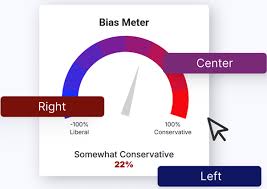
Every news source may have a particular viewpoint or agenda, whether intentional or not. Recognizing this bias helps you interpret the information more objectively. Look at the language used, the stories chosen for coverage, and the sources quoted.
Here are ways to spot bias:
- Word choice: Loaded language or emotionally charged words can indicate a particular slant. For example, calling a group “freedom fighters” versus “rebels” carries different connotations.
-
Story selection: What topics are covered, and which are ignored?
A consistent focus on certain issues over others might reveal a bias.
- Source representation: Are opposing viewpoints given equal weight and fair representation, or are they downplayed or dismissed?
Fact-Checking and Verification
Before accepting a piece of information as truth, especially if it seems sensational or surprising, take a moment to verify it. Fact-checking websites can be invaluable resources for confirming or debunking claims.
Sample fact-checking scenarios:
- You see a shocking statistic shared on social media about rising crime rates. Instead of sharing it immediately, you search for the statistic on reputable news sites or government crime data websites. You find that the statistic is out of context or misleading.
- A friend forwards an email with an urgent warning about a new health scare. You check major health organization websites (like WHO or CDC) and find no mention of this scare. You then search for the claim on fact-checking sites and discover it’s false.
Understanding Different Media Formats
News comes in many forms: articles, videos, infographics, and social media posts. Each format has its own way of presenting information. Be aware that a short video clip might not tell the whole story, and an infographic could be designed to emphasize specific data points.
The Importance of Diverse Perspectives
Relying on a single news source can give you a limited view. Actively seek out news from different countries, political leanings, and cultural backgrounds. This broadens your understanding and helps you see issues from multiple angles.
For example, when a significant international event occurs, compare how it’s reported by a European news outlet, an Asian news outlet, and an American news outlet. You will likely notice different emphases and interpretations.
Connecting Global News to Your Daily Life
It might sometimes feel like global events are distant and irrelevant. However, nearly every major international story has a ripple effect that can touch our lives. Understanding these connections helps us see the bigger picture and feel more engaged with the world.
Economic Impacts on Your Wallet
Global economic trends directly influence the prices of goods you buy. Supply chain disruptions caused by political instability or natural disasters in one part of the world can lead to shortages and higher prices for electronics, cars, or even food items here.
Consider a scenario:
- A major shipping port in Asia faces closure due to a regional conflict.
- This disrupts the flow of goods manufactured in that region to consumers worldwide.
- Retailers experience stock shortages, leading to increased prices for imported goods.
- Consumers notice higher prices on their favorite imported snacks or electronic gadgets.
Political Decisions Affecting Your Community
International agreements on trade, climate change, or security can shape local policies and initiatives. For instance, a global climate accord might lead your city or country to invest more in renewable energy or implement stricter environmental regulations.
A global trend in cybersecurity threats can lead governments to enact new laws about data privacy and online security. This might affect how your favorite apps operate or how your personal information is protected.
Cultural Exchange and Understanding
News about cultural events, trends, or social changes in other countries can broaden your horizons. It can introduce you to new ideas, art forms, or ways of thinking. This fosters greater empathy and understanding between different peoples.
Common Myths Debunked
Myth 1: All news sources are equally reliable.
Reality: This is not true. While many journalists strive for accuracy, news organizations vary greatly in their standards, editorial policies, and commitment to fact-checking. Some outlets prioritize sensationalism or opinion over factual reporting, making critical evaluation of sources essential.
Myth 2: Social media is the best way to get news quickly.
Reality: Social media can be fast, but it is also prone to misinformation, rumors, and biased content. While it’s useful for breaking alerts, it’s crucial to verify information from social media with established, reputable news organizations before accepting it as fact.
Myth 3: News about distant countries doesn’t affect me.
Reality: The world is interconnected. Political events, economic shifts, and environmental issues in one country can have significant impacts on global markets, supply chains, international relations, and even your local community through various economic and social channels.
Myth 4: News reporting is always objective.
Reality: While journalists aim for objectivity, bias can unintentionally creep in through story selection, framing, or language used. Recognizing potential biases in reporting helps you form a more balanced perspective on events.
Frequently Asked Questions
Question: What are the most important global events to follow today?
Answer: The most important global events to follow today include major political developments, significant economic shifts, and key social or environmental issues that are impacting large populations or international relations. Checking reputable news sources will give you the latest updates on these.
Question: How can I avoid fake news when looking for world news?
Answer: To avoid fake news, always cross-reference information with multiple trusted news sources. Look for indicators of bias, check the author’s credentials, and be wary of sensational headlines or claims that seem too good or bad to be true. Fact-checking websites are also valuable tools.
Question: Where can I find unbiased news coverage?
Answer: While complete unbiasedness is difficult to achieve, you can find news coverage that strives for neutrality by consulting major international news agencies like Reuters or AP, and well-respected broadsheet newspapers or public broadcasters known for their journalistic standards.
Question: How do global news events impact my local area?
Answer: Global news events can impact your local area through economic effects like changes in prices or job availability, political influence on local policies through international agreements, and cultural exchange that introduces new ideas or trends.
Question: Is it necessary to follow international news every day?
Answer: Following international news regularly is beneficial for a comprehensive understanding of the world. It helps you grasp the context of events, make informed decisions, and understand how global developments might affect your life and community.
Summary
Keeping up with what news today in the world matters. Major events in politics, economics, and society shape our lives in many ways. By using reliable sources and thinking critically, you can stay informed.
This knowledge helps you understand the world better and make smarter choices. A balanced perspective empowers you to engage with global issues confidently.

Related Posts
Identifying Left and Right News Outlets

Seeking Unbiased News Sources In A Complex World